Milkweed Best Practices: A Butterfly Gardener’s Guide
Adding Milkweed to your garden is a wonderful way to help mitigate habitat loss for Monarch Butterflies. Thinking of the space that is taken up by the urban sprawl, it becomes clear how important it is to reintroduce native species and support biodiversity. Every front lawn you see used to be forest, meadow or chaparral, and the lack of space made for other species is pushing butterfly (and other) populations to the brink.
So many people have good intentions! It’s amazing to see the lawn conversions happening in the Bay Area. More people are including sources of nectar and even host plants in their garden as they are becoming aware of the need for more habitat. However, there are certain things that every butterfly habitat gardener should know when it comes to being a good steward of their garden, big or small.
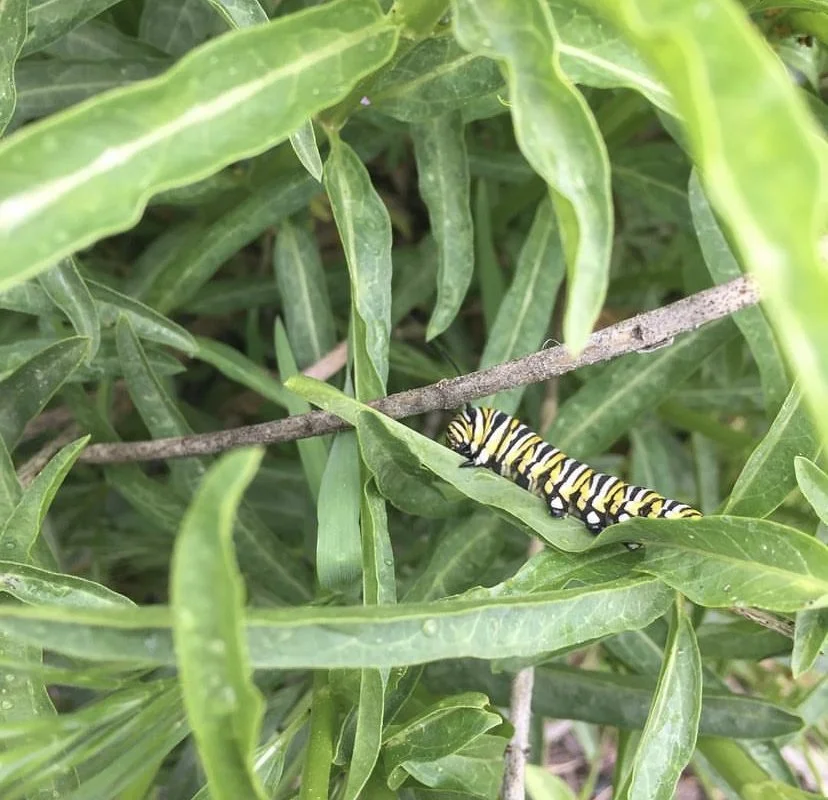
Monarch Butterfly caterpillar on Narrowleaf Milkweed
Managing the Spread of OE
Ophryocystis elektroscirrha is a parasite that infects Monarchs and other butterflies. It is a single-celled protozoan that grows and multiplies inside a host. Effects of OE include deformed wings, smaller size, decreased flight endurance (very important for migration!), and reduced ability to mate for males. 30% of the western migratory population is infected with OE, making it imperative to avoid planting tropical milkweed to contain the spread.
OE is spread by adult monarch butterflies when they land on milkweed, such as when they lay eggs. The caterpillars then eat the OE spores when they hatch. Cutting milkweed back and planting native milkweed species that die back naturally ensure that more caterpillars have fresh milkweed to eat and will not become infected. Rates of OE have increased as people have started planting more tropical milkweed. Well meaning neighbors and gardeners have indeed been accidentally contributing to Monarch population decline.
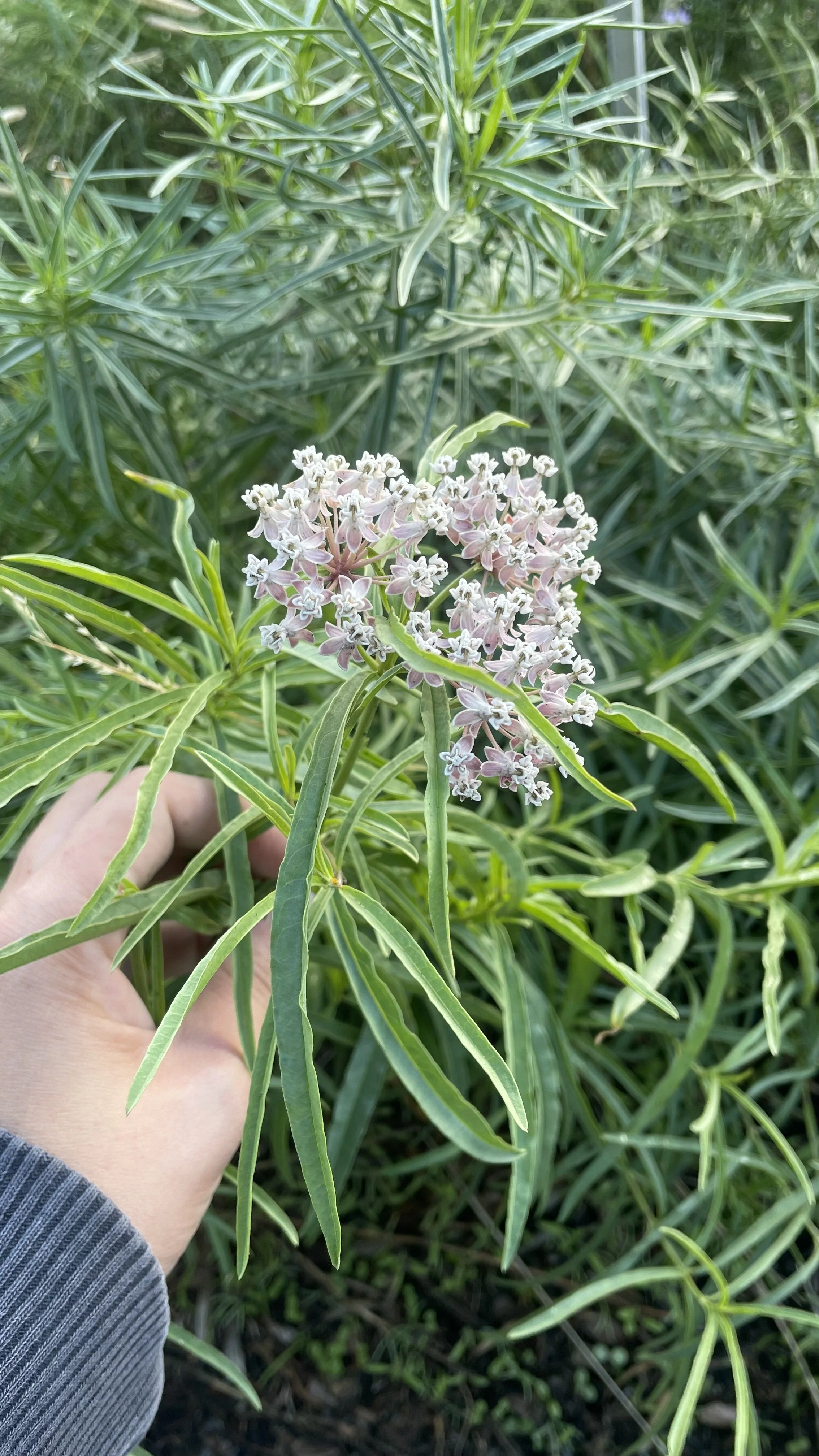
Narrowleaf Milkweed in Bloom in an Oakland Hills Pollinator Garden
Planting Native Milkweed
Xerces Society for Invertebrate Conservation also recommends avoiding planting milkweed if you are within 5 miles of an overwintering site north of Santa Barbara, and within 1 mile of overwintering grounds south. Planting near these sites can interrupt Monarch migration and do more harm than good, as caterpillars often don’t survive the cold (and are more often exposed to OE later in the season). If you are in the Bay Area, planting Milkweed is encouraged!
It’s also important to consider climate change. As temperatures increase, even native milkweed may not reliably die back. This means it is in our hands (and pruners) to mitigate the spread of OE as butterfly stewards. Being a responsible pollinator / habitat / butterfly gardener means taking steps to insure butterfly health with maintained host plants. Milkweed that doesn’t die back should be cut back by winter, leaving 6” above the ground.
But enough of the don’ts, what about the dos?
Definitely do plant milkweed native to your area if you are not too near an overwintering site. For the SF Bay Area, this includes species like Narrowleaf Milkweed (Asclepias fascicularis), Showy Milkweed (Asclepias speciosa) and California Milkweed (Asclepias californica). There are lots of other native Californian species that are less widely available but I encourage you to try them!
Please share this with any butterfly enthusiasts to educate about milkweed best practices and stopping the spread of OE.